Growing a family business in their community
Facilitating the relationship between a restaurant and its community


My role
User research · Mapping · Wireframing · Development of visual identity · Prototyping
Timeline
July • September (2024)
Team
(Me) Product Designer
Full Stack Developer
Problem
A family-run business selling pre-packaged meals is struggling to keep up with a growing influx of customers
A family started selling home-cooked meals (marmitas) in the apartment complex where they live. Word spread fast, but orders came in through scattered messages and were tracked by hand, leading to lost orders, delivery mix-ups, and long hours spent on admin work instead of cooking. For residents, that meant unreliable service. For the family, it meant looking unprofessional and struggling to win new customers.
That’s when a relative of the owners, a full stack developer, decided to build a solution and asked me to help with research and design.
Investigation
Understanding who the people living in this community were in order to gauge the possibilities for growth
Since the business aims to serve residents of that apartment complex, I conducted field research, interviewing them to understand the types of families who live there, their average income, and their familiarity with delivery services and technology.
User research
15 residents were interviewed:
5 regular customers;
5 people who stopped using the service;
5 people who have never used it.
Learnings:
People chose restaurants with a professional look, since that conveys product quality and commitment to the service.
Residents like to use the biggest delivery apps for snacks or special meals, not for everyday food.


Solutions
Planing + Sketching + Testing
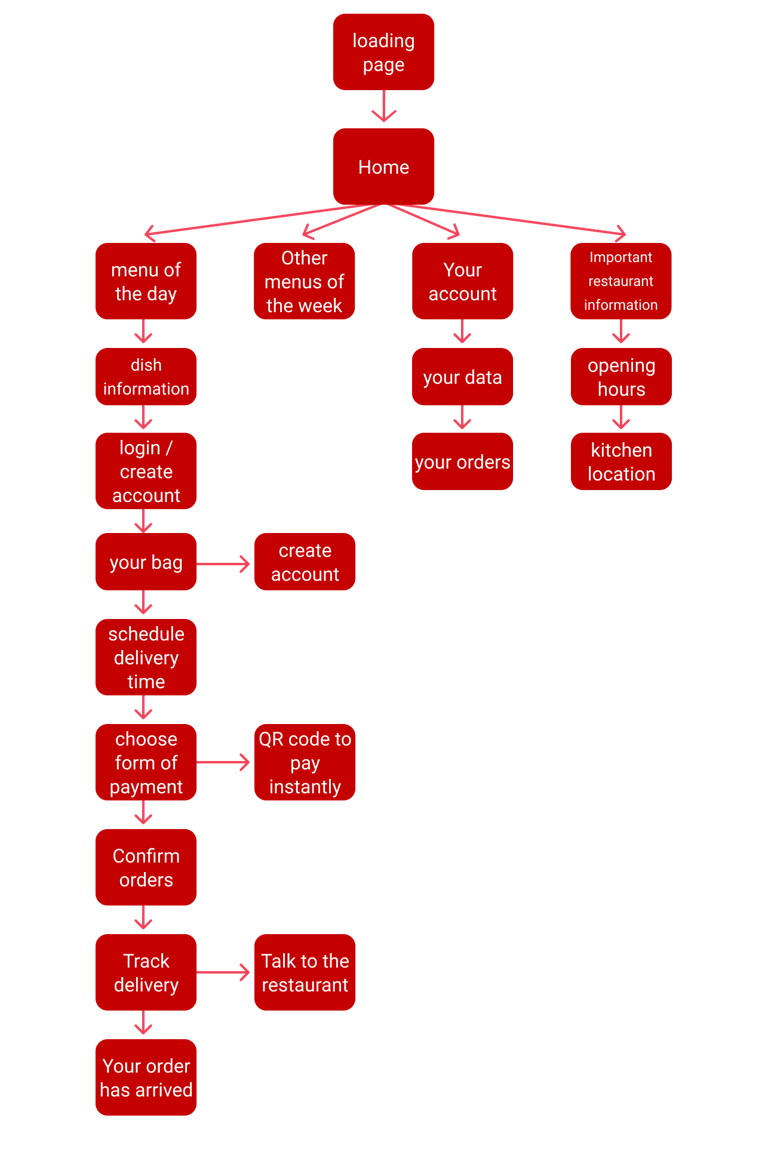
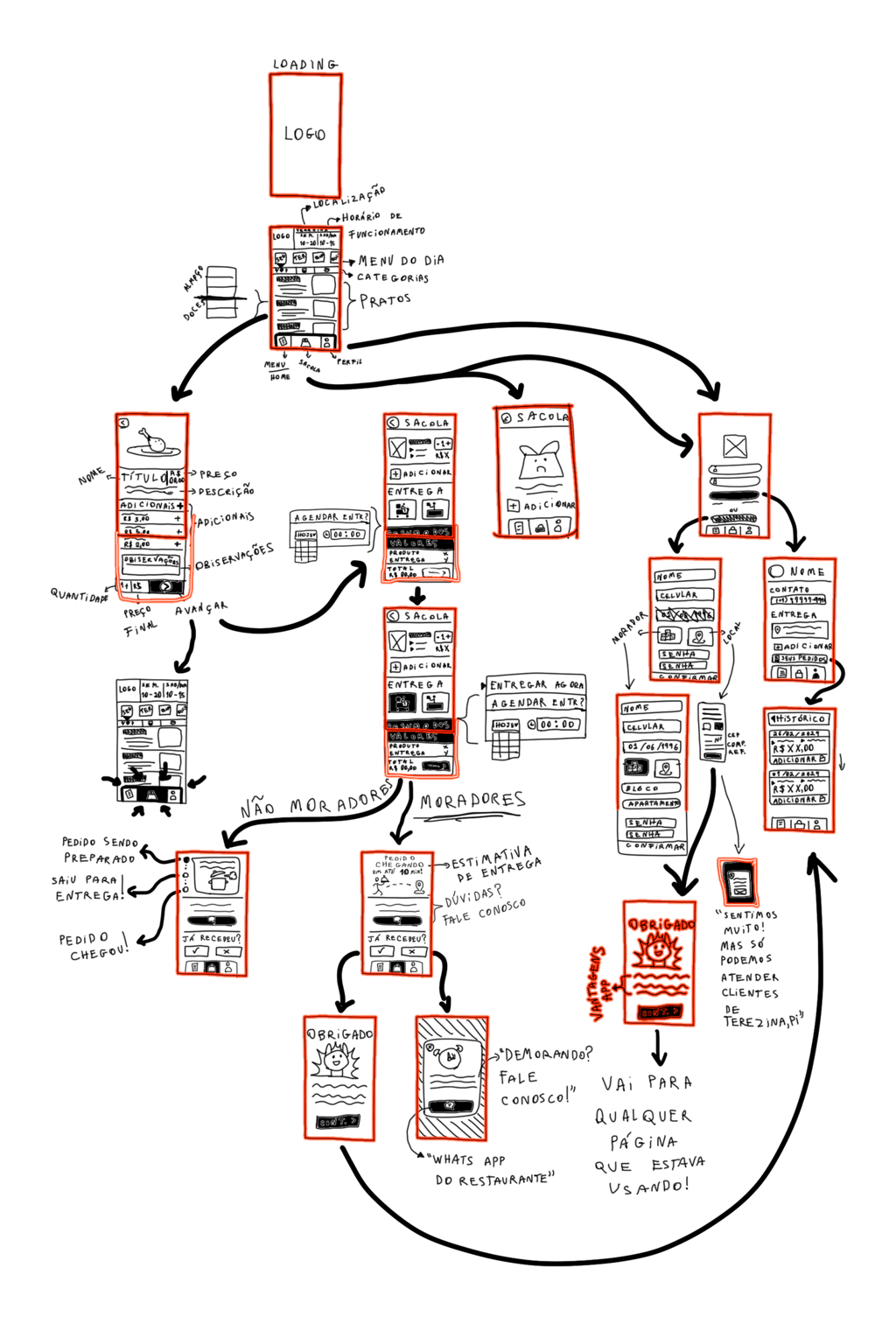
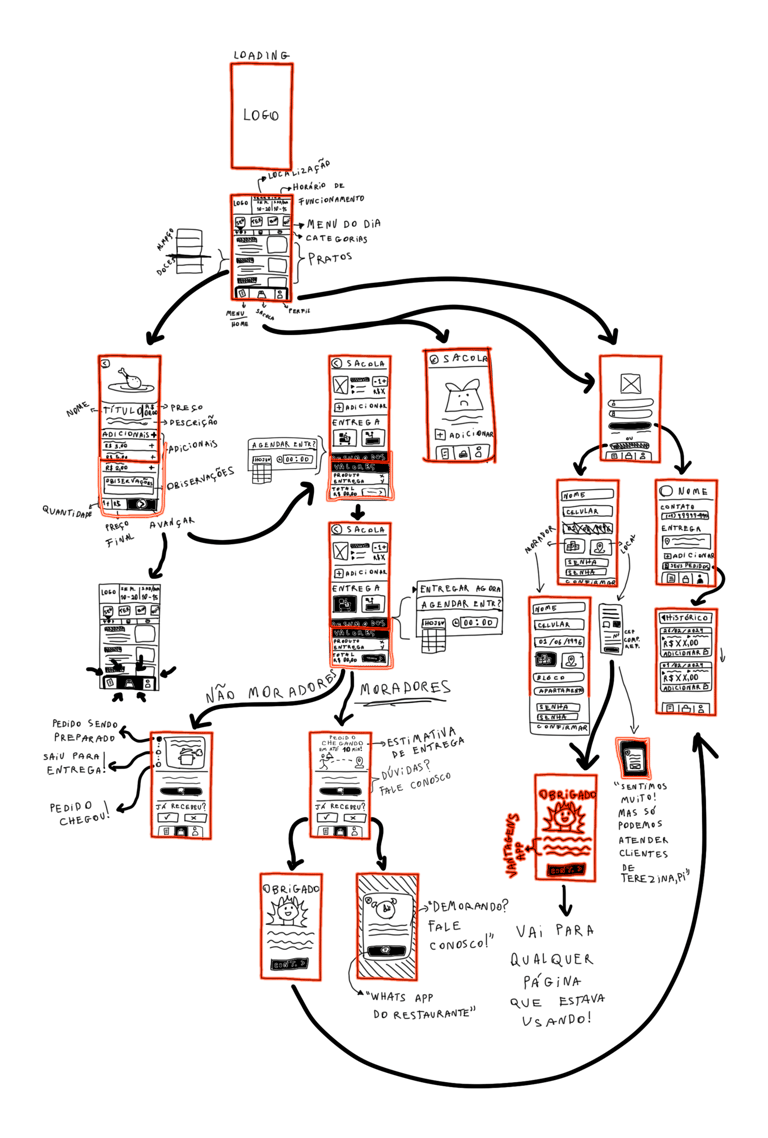
I mapped out all the features the product should have and, in partnership with the developer, defined the minimum requirements for building the MVP. Based on that scope, I carefully designed the user flow.
User Flow
Sketching
Testing
Validating the Usability Flow with Users
For each major component of the final app, I created a high-fidelity prototype and conducted usability testing with 3 to 5 users. The results showed that users did not receive clear feedback on their actions, and some layouts were overly complex. Consequently, I adjusted the flow and simplified those screens.
Result
A delivery app built exclusively for the family, giving residents a reliable way to order and the business a professional face to win new customers

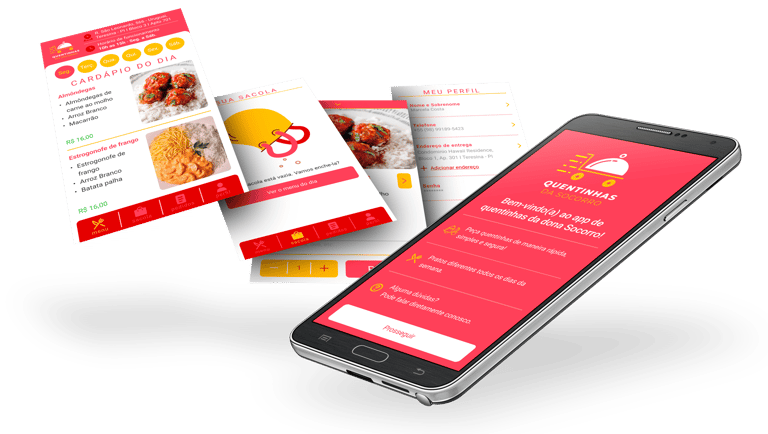
All orders gathered in one place
All orders placed through the app and bank transaction receipts are sent to a group chat that all team members can access.
This makes it easier to keep records in chronological order and ensures that everyone on the team has access to the same context.
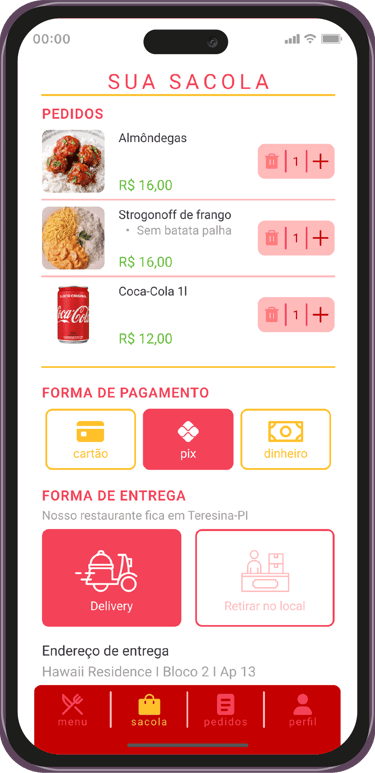
A professional-looking service
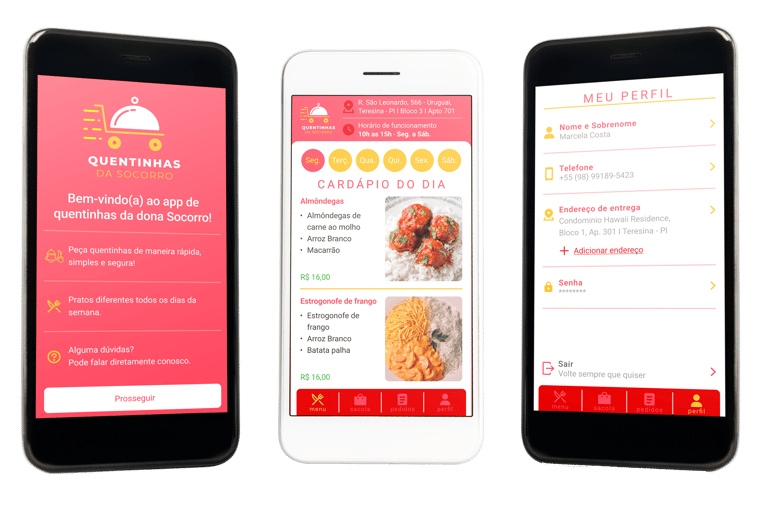
An exclusive interface that allows users to place orders, make payments, and track production.
With familiar features such as a menu, shopping cart, and order history, users can navigate the platform easily without feeling lost.
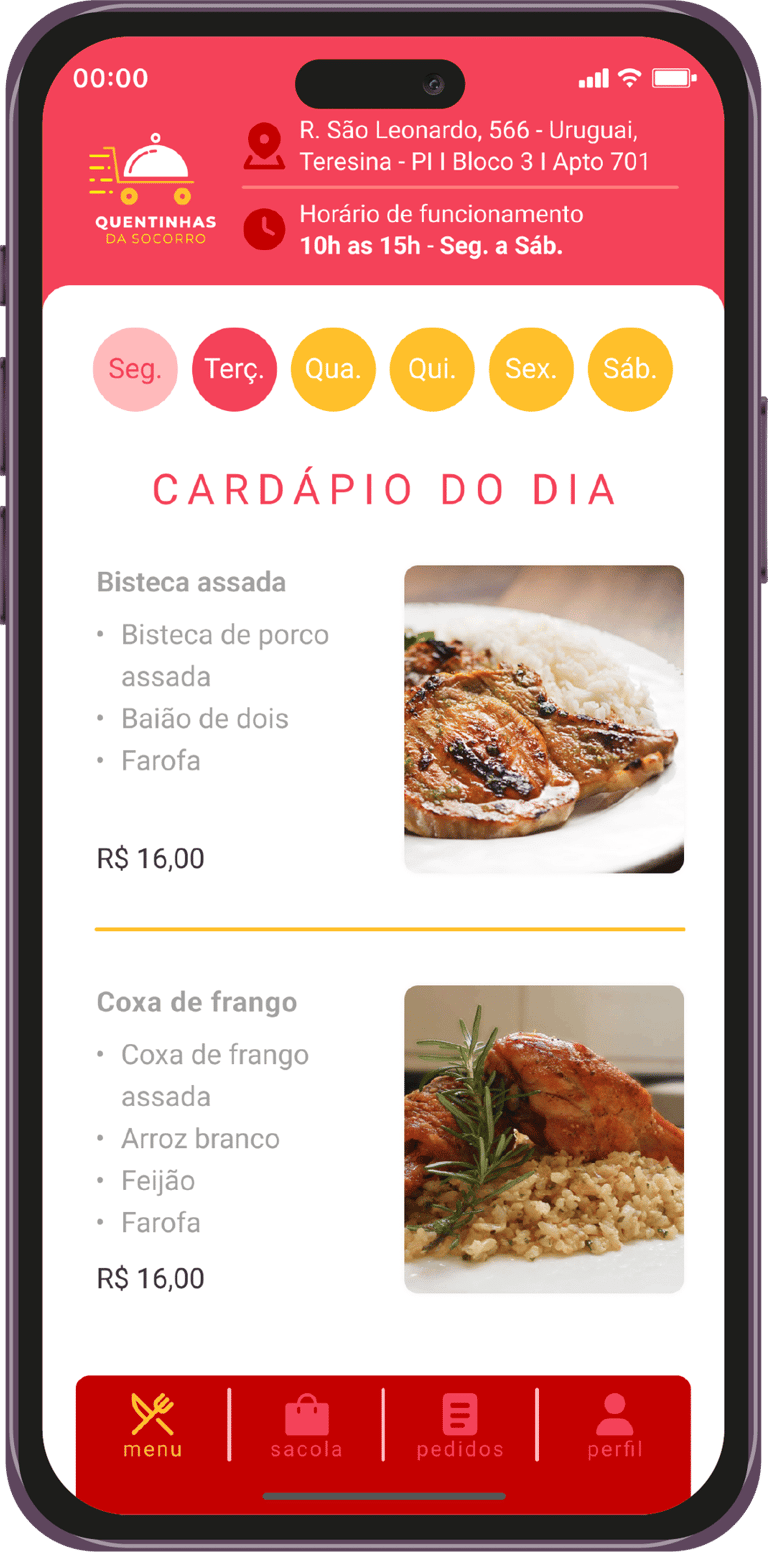

Show commitment, security and transparency
Bid history to make expense tracking easier and ensure transparency in the restaurant's service contracts.
Direct contact with the restaurant through the provided link and the company's phone number.


Link to full Figma file: here
Lessons
What I'll do differently next time
This was my first app project. Here, my technical skills and UI knowledge were heavily challenged. It was a tremendous learning experience, and these were some lessons I learned:
Understand the real needs of the end user. There’s no point in coming up with 1,000 amazing features for your product if the end user doesn’t need them. It’s crucial to thoroughly research the topic you’ll be working on. This will save your most precious resource: time.
Don’t be afraid to sketch and draft your ideas as much as possible. An app requires the creation of many screens, and the more screens you have, the more complex it will be to plan interactions and prototype usability. So, when sketching drafts, take the opportunity to run as many tests as you can. Explore all the interactions you can imagine to avoid surprises when designing the final screens.
Know your limits. We always want to do our best in every task, but there will be many factors beyond your control: tight deadlines, a feature that doesn’t work as expected, your knowledge limitations in a specific area, etc. It’s always important to strive for improvement in your field; however, sometimes you won’t have time to do your absolute best. So, do the best you can within the reality you’re facing.
Other projects
Simplifying Online Bidding in Brazil
Launching a Content Creator Career with Professionalism
Podcast episode aggregator and e-commerce for a YouTube channel.



Private Brazilian platform for online government procurement/bidding.